What Oregon law says
Lottery and tribal casinos, no online casino; sweepstakes operate without a ban.
Online casino is not licensed in Oregon. Sports betting is limited. The relevant regulator is Oregon Lottery.
Which operators accept Oregon
Of the 20 documented brands, the following list Oregon as available:
- Stake.us, state list read 2026-07-10
- McLuck, state list read 2026-11-02
- Jackpota, state list read 2026-11-04
- High 5 Casino, state list read 2026-11-04
- Funrize, state list read 2026-11-04
- Hello Millions, state list read 2026-11-04
- Mega Bonanza, state list read 2026-11-04
- Chumba Casino, state list read 2026-07-29
- LuckyLand Casino, state list read 2026-07-29
- Global Poker, state list read 2026-07-29
- Fortune Wins, state list read 2026-11-04
- Zula Casino, state list read 2026-11-04
- Sportzino, state list read 2026-11-04
- Legendz Casino, state list read 2026-11-04
- SpinBlitz, state list read 2026-11-04
- Fortune Coins, state list read 2026-11-04
- Crown Coins, state list read 2026-11-04
- Pulsz, state list read 2026-11-04
- LoneStar, state list read 2026-11-04
- Real Prize, state list read 2026-11-04
Availability is an operator decision, not a state one. A brand can accept Oregon today and exclude it next month, which is why the list is checked on the day you sign up rather than the day you redeem.
Who regulates gambling in Oregon
Oregon regulates gambling through its lottery and through the compacts it negotiates with nine tribes, and the division of labour is unusual enough to explain first. The Oregon Lottery runs the state's video lottery terminals, its draw games, its scratch tickets and its sports betting app, and it is the largest single gambling operator in the state. The Oregon Racing Commission licenses the remaining racetracks, and the tribes operate their casinos under compacts negotiated with the governor and supervised by the National Indian Gaming Commission.
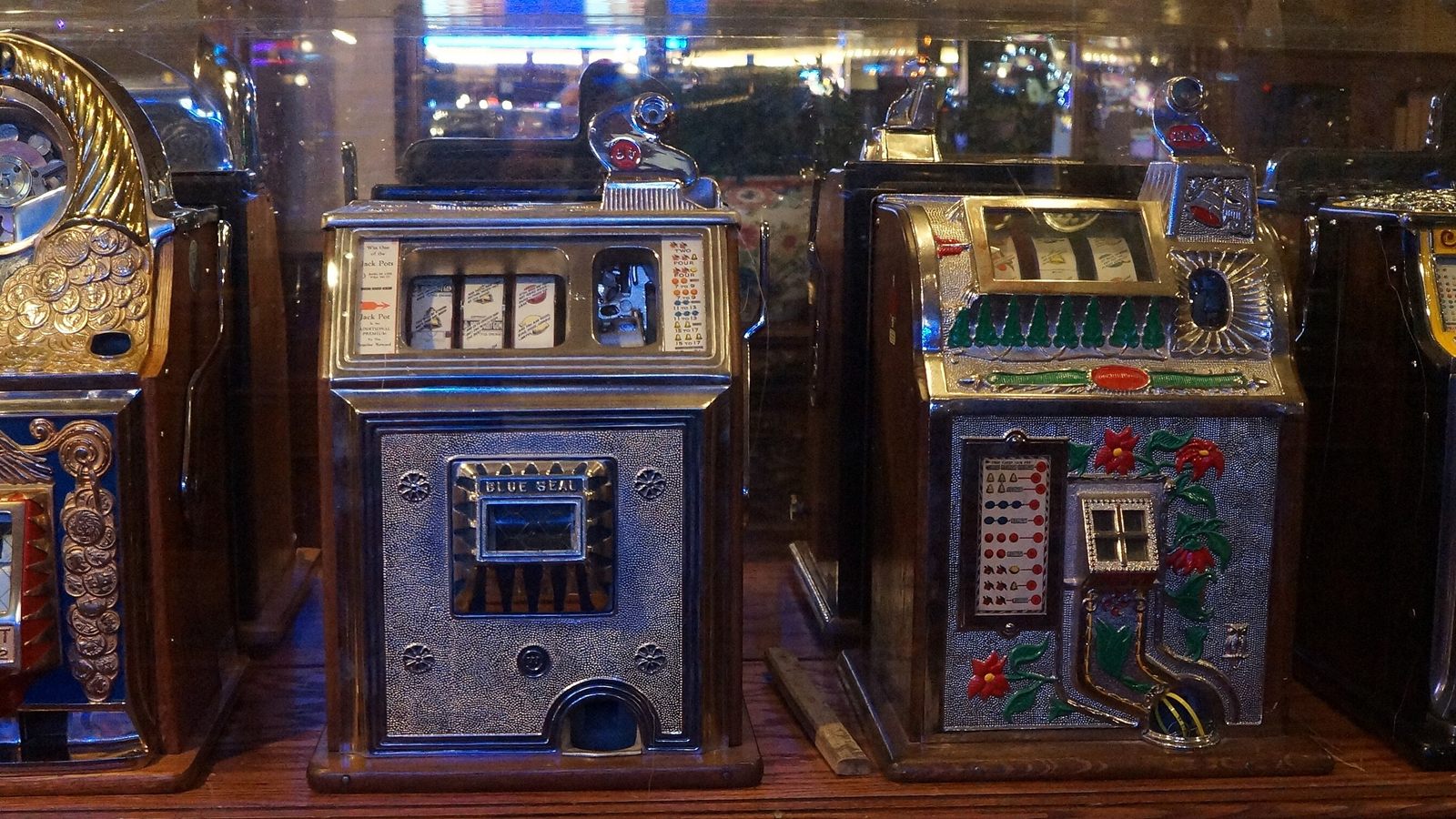
The video lottery terminal network is the distinctive part of the Oregon model. The lottery places machines in licensed bars, taverns and restaurants, around eleven thousand terminals in total, and shares the revenue with the establishment. A reader who has had a beer in an Oregon bar has probably stood next to a state-owned slot machine, and that is the closest the state comes to a neighbourhood casino.
The sports betting product is a lottery product as well. Oregon launched a lottery-run sportsbook app in 2019, the lottery contracts the platform and the brand, and the state takes a share of the handle. It is a narrow product compared with a competitive sportsbook market, and it is the only legal way for an Oregon resident to bet on a game from home.
The tribal casinos are the other half of the map. Nine tribes operate properties under compacts, from Spirit Mountain in the Willamette Valley to Wildhorse in the north-east and Seven Feathers in the south. Those casinos offer machines, table games, hotels and entertainment, and they are the only full casino floors in the state.
Online casino gaming is not licensed. The lottery's remit covers the products it sells, the racing commission's covers the tracks and the tribes operate under federal law. No agency has an online casino licence to issue, which is why a dual-currency sweepstakes product sits outside every category the state has created.
That is why Oregon is in the open tier. Both audited operators list the state, the lottery has not published a position on the product and the legislature has not taken it up. The state's silence is not approval; it is the absence of a body with a remit over a website that sells casino-style play for a redeemable prize.
The lottery's structure is worth understanding because it is the state's largest gambling interest. It is a state agency with a director appointed by the governor, it returns a share of its revenue to a dedicated fund, and it has a retail network that reaches every county. A product that competes with its terminals is competing with a state agency, which is a different kind of competition from a private operator's.
The compacts' terms are the other thing a reader should know. The tribes pay the state a share of their gaming revenue, the state provides a degree of exclusivity within the compacts' terms, and the agreements are renegotiated periodically. That structure is why the tribes have an interest in any new product and why a sports betting or online casino bill would have to go through them.
For a reader the practical map has three layers. The lottery's terminals and app are state products, the tribal casinos are federal, and the racetracks are a small licensed category. The promotional market is none of those, and the state's websites will not help a reader verify it because there is nothing to verify.
The comparison with Washington is the nearest one. Washington has tribal casinos, a state lottery and no online casino, and is closed in our model; Oregon has the same structure and is open. The difference is the operator lists, which is to say the difference is a risk assessment rather than a statute.
The comparison with Idaho is the eastern one. Idaho has a constitutional prohibition and no casinos; Oregon has a lottery, tribal casinos and an open tier. Two neighbouring states with opposite histories and different answers to the same product question.
Market history: the lottery, the tribes and a sportsbook app
Oregon created its lottery in 1984 and built it around video poker terminals rather than around draw games, which is why the state's gambling culture is a bar culture rather than a casino one. The terminals were an instant success, the retailer network grew quickly, and the lottery became one of the state's largest revenue sources within a decade.
The tribal casinos arrived after 1988. The compacts were negotiated through the 1990s, the properties were built and expanded, and the tribes became significant employers in rural counties. Their casinos are the only full casino floors in the state, and their compacts are the framework any expansion has to fit inside.
The racetracks were the third channel and the one that faded. Oregon had a horse racing industry with a handful of tracks, the sport contracted, and the commission's remit shrank with it. A reader looking for a track today will find a small circuit rather than a major one.
Sports betting arrived in 2019 as a lottery product. The state did not create a competitive licensing market; it contracted a platform and a brand, launched an app and took a share of the handle. That design is why Oregon has one sportsbook rather than a dozen, and why the product is a lottery game rather than a casino one.
The promotional brands arrived in the gap that the lottery's product line left. Both audited operators list Oregon, and the state has neither licensed nor prosecuted them. The market is quiet because the licensed alternatives are a terminal in a bar, a tribal casino and a lottery app, which is the condition in which a promotional casino finds an audience.
What the history predicts is that Oregon will move through its lottery rather than through a new statute. The lottery already has an online product, a platform contract and a relationship with the legislature; a change in the state's posture toward a promotional casino would more likely arrive as a lottery decision or a bill attached to the lottery than as a stand-alone gaming act.
The other possibility is a tribal initiative. The compacts are renegotiated periodically, and a tribe that wanted an online product could raise it in that process. That route would be slow and would not necessarily produce a state licensing framework, but it would change the map without a floor vote.
The state's revenue dependence on the lottery is the reason the product is politically protected. The lottery returns a share of its revenue to a fund that local governments and schools rely on, and any product that diverts play from the terminals is a threat to that fund. That is the same argument Pennsylvania's casinos make, in a state where the competitor is the government.
Three player profiles in Oregon
The Portland reader is the most common profile and the one with the most options. They live near a bar with terminals, an hour from a tribal casino and a short drive from Washington's border, and they have the lottery's sportsbook on their phone. For them the promotional product is one more app, and the licensed alternatives are close enough that the comparison is immediate.
The rural reader is the second profile and the one the lottery serves best. A terminal in a tavern is available in towns that will never have a casino, and the state's network reaches places the tribes do not. That reader is the one the promotional product reaches least, because the licensed alternative is already in the local bar.
The tribal-casino reader is the third. They live near a property, they know the rewards programme and the hotel, and they are regulated federally rather than by the state. Their view of an online casino is shaped by a full casino floor, which is why they are the least likely reader in Oregon to trust a website.
The sports bettor is the fourth and the one the brands target. They use the lottery's app, they are verified, and they bet on the Ducks and the Trail Blazers. The app is the state's only online gambling product, which is why a promotional casino is the only other online option an Oregon reader has.
All four profiles end in the same place. Oregon has a state lottery with terminals and an app, tribal casinos and a shrinking racetrack circuit. The reader who wants casino-style play at home has the promotional product or a drive, and the state has not decided which is the answer.
What separates the profiles is what the lottery already offers them. The rural reader has a terminal; the Portland reader has an app and a border; the tribal reader has a resort. The promotional product's appeal is strongest among readers who want a casino game the lottery does not sell, which is most of the market.
Taxes, records and what to check in Oregon
Oregon taxes individual income on a graduated schedule with a top rate that is among the highest in the country, and it taxes gambling winnings as income. A terminal win, a tribal casino win or a lottery payout is reportable at both state and federal level, and the top rate makes a large win worth planning for.
The federal paperwork depends on the payment. A gambling win generates a W-2G above the reporting thresholds, and a promotional prize that is not gambling generates a 1099-MISC. In Oregon the lottery and the tribes issue the forms as a condition of their operations, while a promotional operator issues them as a federal obligation only.
Oregon's lottery runs the licensed products and the promotional brands run themselves, so the only file is the one the reader keeps. A dated screenshot of the terms and a support reply are worth more than a memory of what the page said.
Before buying anything, confirm five numbers in writing: the redemption minimum, the processing window, any fee, the verification requirements and the state line. In Oregon the state line is permissive and the lottery is the only online regulator, which is the combination in which a written answer matters most.
The Oregon-specific checks are about the product. The lottery publishes its games, its terminal locations and its sportsbook terms, the tribes publish their own property rules and the racing commission publishes its licences. A brand that is not connected to any of those is not licensed in the state.
A dispute with the lottery goes to its customer service and then to the agency, which has a complaints process; a dispute with a tribal casino goes to the tribe's gaming commission and the National Indian Gaming Commission. A dispute with a promotional brand has no equivalent.
The tax summary is unglamorous. A win is income at a high marginal rate, the form depends on how the operator characterises the payment, and the player keeps the record. Oregon's rate makes the arithmetic matter more than in most states, which is a reason to keep the records from the first redemption.
One further note on records in Oregon: keep the location and the date, because a terminal in a bar, a tribal casino and the lottery app are three different counterparties with three different processes. A tax return that conflates them is harder to defend than one that separates them.
The short version for Oregon
Oregon runs a state lottery with around eleven thousand video terminals, a lottery sportsbook app, nine tribal casinos and a small racetrack circuit. It does not license online casino gaming, and both audited brands list the state as available.
The openness is an absence rather than a decision. The lottery has no remit over a promotional casino, the tribes' compacts do not cover it and the legislature has not taken it up. The state's silence is not approval.
What would change the page is a lottery decision, a tribal compact amendment or a bill. The first is the most likely, because the lottery already operates an online product and the state's gambling debates run through its revenue.
For a reader the answer is: use the licensed market, check the lottery's terms, confirm the five numbers in writing if you use a promotional brand, and keep your own record. Oregon is open, and open is a description of the state rather than of the brand.
The lottery's terminal revenue is the reason the state has never needed a commercial casino. The network reaches bars in towns that a casino could not serve, the revenue is spread across the state and the establishments share in it. A promotional casino competes with that network in a way a destination resort never could, which is why the lottery has an interest in the product even though it has no remit over it.
The terminal rules are the consumer protection a reader meets most often. The machines are state-owned, the payout percentages are published, the establishments must be licensed and the lottery can suspend a retailer. A reader who plays a terminal is dealing with a state agency's product placed in a private business, which is a different arrangement from a casino floor.
The sportsbook app's contract is worth understanding because it is the state's model for an online product. The lottery chose a platform, chose a brand, set the revenue share and kept the customer relationship. That design is why Oregon could add an online casino product quickly if the legislature authorised it, and why the state's next gambling decision is probably a lottery decision rather than a licensing act.
The compacts' renegotiation is the other route to change. The agreements are periodic, the tribes have an interest in new products and the governor negotiates. A compact amendment that permitted an online product would not require a statute, which makes it the quietest path to a new market in the state.
The racetrack circuit's decline is part of the background. Oregon's racing industry shrank as the sport contracted nationally, and the commission's licensing work is now a small part of the state's gambling map. A reader looking for a track will find a handful of meets rather than a circuit, which is why the state's gambling identity is the lottery and the tribes.
The comparison with California is the southern one. California banned the product in 2025 and has tribal casinos and card rooms; Oregon has tribal casinos and a lottery. Two states on the same coast with different licensed markets and opposite answers to the promotional question, which is the pattern this series keeps finding.
The comparison with Nevada is the south-eastern one. Nevada licenses almost everything and excludes the product; Oregon licenses a narrow set and leaves it alone. The difference is the size of the licensed market, not the politics of the state.
The state's tax rate is the reason a large terminal or casino win is worth planning for. Oregon's top marginal rate is among the highest in the country, and the win is added to income rather than taxed separately. A reader who receives a large payout should expect the state liability to be material.
The lottery's responsible gambling programme is the state's only such programme, and it covers the terminals and the app. A reader who wants to stop can ask the lottery to bar them from the terminals and the app, and the lottery can enforce it. A promotional website is outside that programme, which is the same gap that appears in every open state.
The last point is about the state's silence. Oregon has not said that the promotional product is legal, and it has not said that it is illegal. The lottery has no remit, the tribes' compacts do not cover it and the legislature has not acted. A reader who treats that silence as permission is reading the absence of a decision as a decision.
The state's gambling revenue is published annually and it is the easiest way to see how much the lottery matters. The figures show a product that funds a dedicated account and a network that reaches every county. A reader who wants to understand why the state protects the terminals should look at that account.
What we would update first is the lottery's position. If the agency published guidance on promotional products, or if the legislature attached a provision to a lottery bill, the state's answer would change without a new gaming act. That is the most likely route in Oregon, and it is the one to watch.
The honest summary for an Oregon reader is that the licensed market is a terminal, a tribal casino and an app, and the promotional market is the only place to play a casino game online. That is a description of a gap that the state has not been asked to close, and it is the same gap that appears in a dozen other states.
The lottery's retailer network is the reason Oregon's gambling is so widely distributed. The terminals sit in establishments that already have a liquor licence, the lottery trains the staff and the state's share is collected through the terminal system rather than through an inspector's visit. That is the same technical model Montana uses, and it is why both states can supervise thousands of locations with a small staff.
The tribal properties' geography is worth a line because it explains the market's coverage. The nine tribes are spread across the state, and their casinos are the only full casino floors outside the Portland metro. A reader in Pendleton, Medford or Coos Bay has a tribal property within reach, which is why the promotional product's appeal is concentrated in the cities.
The state's political culture is the reason the lottery has survived every anti-gambling campaign. Oregon taxes heavily, funds services through dedicated accounts and trusts its agencies to run businesses. A lottery sells the state's gambling directly rather than franchising it to casinos, which is a distinctively Oregonian arrangement.
For a reader who wants a short answer, Oregon is the state where the government is the biggest gambling operator. The lottery owns the terminals, runs the app and shares the revenue with the bars, and the tribes own the casinos. The promotional product sits outside both, and neither has been asked to act.
The comparison with Washington's tribal market is the last one. Washington's casinos are compacted and its tribe lobby is strong; Oregon's market is the same shape with a stronger lottery. Both states would need a compact amendment or a lottery decision to create an online casino, and neither has moved on the promotional product.
The state's future is likely to be a lottery decision rather than a gaming act. The lottery already runs an online sportsbook, it has a platform contract and it answers to a board the governor appoints. If Oregon ever licenses an online casino, the simplest route is to add it to the lottery's product line, which is exactly how the sportsbook arrived.
The comparison with Pennsylvania is the instructive one for a reader who wants to know what a licensed market does to a promotional one. Pennsylvania licenses online casino and restricts the product; Oregon operates a lottery and leaves it open. Two states with very different legal machinery around the same question, and the machinery is what makes the difference.
A reader who lives near the Washington border has a natural experiment within a drive. Washington is closed in our model, Oregon is open, and the two states share a river, a media market and a tribal casino structure. The state list, not the tier, is what changes when the reader crosses the bridge.
The state's lottery is also the reason Oregon has a model for an online product. The sportsbook app shows that the legislature will accept a lottery-run gambling product on a phone, and the app's terms are published by the agency. A reader who wants to see what an Oregon online casino would look like should read the sportsbook's terms rather than a promotional brand's.
The comparison with Idaho is the eastern one and worth repeating for a reader in the Treasure Valley. Idaho is closed and Oregon is open, and the border between them is a two-hour drive. Two states with the same tribal and lottery structure and opposite answers to the promotional question.
The state's lottery commission is also the body that would have to act if Oregon ever changed its position, which is why its public meetings matter more than the legislature's calendar for this question. A product added to the lottery's line would appear there as a staff recommendation before it appeared in a state list.
Taxes and records in Oregon
There is no state regulator for this product in Oregon, so redemption follows the operator's terms: verification, a minimum, a pending period and processing. The state enters at the eligibility check, which is why a brand that accepts the state at sign-up can still refuse a player whose circumstances change.
Oregon has a state income tax, so a prize may be reportable at state level as well as federally. Keep a record of dates and amounts; this is general information, not tax advice.
How the Oregon page was built
Built from 20 readable brand files, the Oregon Lottery's own pages, and the state's published position. The list was checked on the date at the top. We do not have a redemption record from Oregon, so the page claims no payout speed and no success rate. Terms used here are defined in the glossary.
If a Oregon term has changed, send the clause and the date to editorial@casinotrustcenter.com; a dated list or a redemption record is what would change the page, not a press release. Read the methodology.
Reviewed by Darnell Simons
Darnell Simons tested casinos and sportsbooks as a player long before he wrote about them, and now covers sweepstakes and social casinos the same way: open an account, read the terms, test a small redemption, and write down what actually happened.