What Delaware law says
Licensed online casino through the lottery; sweepstakes restricted by most operators.
Restricted tier: several operators exclude Delaware.
Online casino is licensed in Delaware. Sports betting is limited. The relevant regulator is Delaware Lottery.
Which operators accept Delaware
Of the 20 documented brands, the following list Delaware as available:
- Fortune Wins, state list read 2026-11-04
- Zula Casino, state list read 2026-11-04
- Sportzino, state list read 2026-11-04
- Legendz Casino, state list read 2026-11-04
- Fortune Coins, state list read 2026-11-04
- Crown Coins, state list read 2026-11-04
- Pulsz, state list read 2026-11-04
- LoneStar, state list read 2026-11-04
- Real Prize, state list read 2026-11-04
Availability is an operator decision, not a state one. A brand can accept Delaware today and exclude it next month, which is why the list is checked on the day you sign up rather than the day you redeem.
Taxes and records in Delaware
There is no state regulator for this product in Delaware, so redemption follows the operator's terms: verification, a minimum, a pending period and processing. The state enters at the eligibility check, which is why a brand that accepts the state at sign-up can still refuse a player whose circumstances change.
Delaware has a state income tax, so a prize may be reportable at state level as well as federally. Keep a record of dates and amounts; this is general information, not tax advice.
Who regulates gambling in Delaware
Delaware regulates gambling through its lottery, and that single sentence explains most of the state's market. The Delaware Lottery licenses the video lottery agents that operate the three racetracks, it runs the online casino and sports betting products those agents offer, and it collects the state's share. There is no separate casino commission, because the state never created a commercial casino industry to supervise.
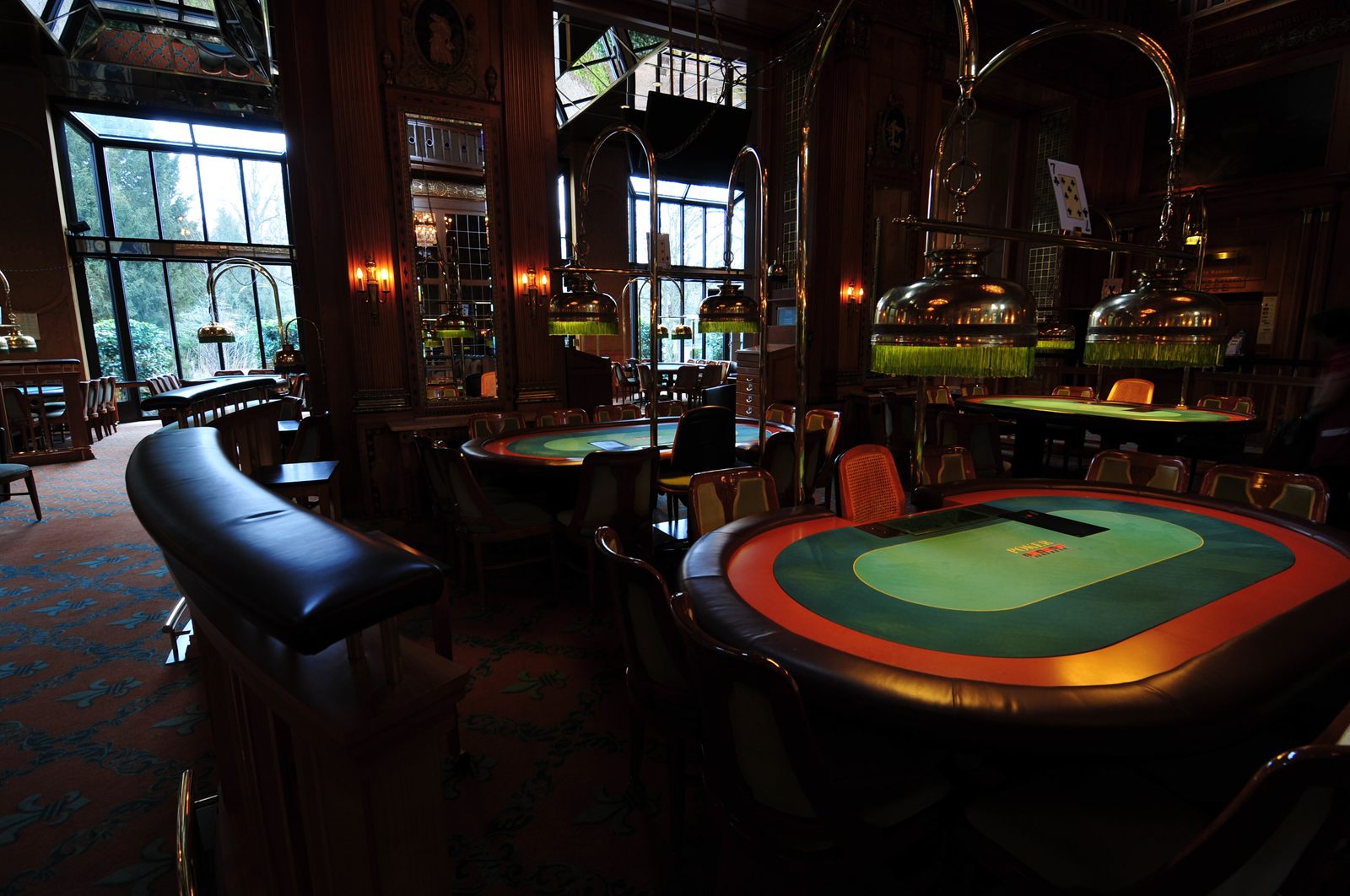
The three agents are Delaware Park, Dover Downs and Harrington Raceway. Each operates a racetrack with slot machines and table games, and each offers an online casino skin under a lottery agreement. The properties are private businesses, but the gambling licence is a contract with a state agency, which is why the rules read like procurement documents as much as gaming regulations.
Online casino gaming was authorised in 2012 and launched in 2013, which makes Delaware one of the first states in the country to offer it. The model is centralised: the lottery contracts a platform provider and the three agents brand it, so the market has three names and one technology stack. That is efficient for a state of a million people and it is not a competitive market.
Sports betting arrived in two stages. Delaware had a limited parlay product from the lottery before the federal prohibition on single-game betting was struck down in 2018, and it took the state only weeks to expand into full sports wagering. The product runs through the same three properties and the same lottery agreement, which is why the retail books are inside racetracks rather than in stand-alone sports bars.
Racing is regulated separately, by the Delaware Harness Racing Commission and its thoroughbred equivalent, and that split matters more than it sounds. The tracks need race dates to keep their licences, the lottery needs the tracks as distribution points, and the two regulators answer to different parts of state government. A reader who wants to understand why a track that loses money on racing keeps a casino is looking at that arrangement.
A dual-currency sweepstakes product has no place in any of that. It is not a video lottery terminal, not an online casino skin under a lottery agreement and not a sports bet. The lottery licenses games it operates or contracts, and a promotion run by a company it has never seen is outside the definition of everything it licenses.
That is why Delaware sits in the restricted tier rather than the open one. The state has a licensed online casino product that a resident can use on the same phone, and the promotional product competes with it while paying nothing to the fund the lottery fills. The tier is not a prediction about enforcement; it is a description of the incentives.
The complaint route is unusually clear for the licensed market and nonexistent for the promotional one. A dispute with a Delaware online casino goes to the lottery, which can act against an agent's agreement. A dispute with a sweepstakes brand has no state forum, because the product is not supposed to be available and no agency has issued it a permission that could be withdrawn.
For a player the practical map is small and legible. Three licensed online casinos, three racetracks, a lottery and a sportsbook, all inside one regulatory arrangement. Anything else offering casino-style play for a redeemable prize is outside the framework, and the state has not had to write a statute to make that clear.
The reason Delaware matters beyond its borders is that other states copy it. A lottery-run iGaming market with contracted platforms and agent branding is the cheapest way for a small state to license online casino, and every legislature that considers the question gets a briefing that mentions Delaware. The state is a template as much as a market.
What the template implies for a reader is that the licensed alternative is real but narrow. Three brands, one platform, no bonus war and a state that takes a large share of the revenue. It is not an exciting market, and it is the reason a promotional product still finds an audience even where the licensed option exists.
The revenue split is worth understanding because it explains the state's posture. Delaware taxes the agents on a share of the handle rather than on profit, which means the state gets paid on volume rather than on the operator's margin, and the agents keep less of each dollar than a casino in a lower-tax state. That arrangement makes the lottery a partner in growth and a guard against anything that diverts play.
Because the lottery licenses the agents rather than the brands, the rules a player sees are uniform. The age floor, the hours, the credit rules and the self-exclusion process come from the same agreement for all three properties, which is a different experience from a state where every casino negotiates its own house rules. Uniformity is a quiet consumer benefit.
The centralised platform is also a concentration risk. Three brands on one technology stack means a single vendor outage or a single verification policy change affects the whole market at once, and a reader with accounts at two properties may find that a decision in one applies to both. That is efficient for the state and awkward for a player who wanted a second opinion.
What the lottery cannot do is police the internet. It can act against an agent, refuse a licence renewal or demand a change to a product it has authorised, but it has no power over a company that has never applied for anything. That is the boundary every lottery regulator in the country runs into, and it is why the sweepstakes question is not a lottery question at all.
Market history: the first online casino state
Delaware's gambling industry began as a racing industry. The three tracks drew harness and thoroughbred crowds through the twentieth century, and like every racing state in the region they ran into the same problem in the 1980s and 1990s: the sport could not pay for itself once casino gambling opened in neighbouring states.
The answer was slot machines. Delaware put video lottery terminals at the tracks in the mid-1990s, which is why they were called video lottery agents rather than casinos, and the arrangement worked well enough that the tracks became the state's most reliable source of gambling revenue. The language still reflects that origin: the machines are lottery products, and the properties are agents of the lottery.
The 2008 financial crisis and the spread of casinos in Pennsylvania and Maryland put pressure on the model, and the state began looking for a product that did not require a building. In 2012 the legislature authorised online casino gaming, and in 2013 the lottery launched it with the three agents. Delaware was first or close to first, depending on how the launch date is counted.
The early product was a novelty and the revenue was modest. A state of a million people cannot support a large iGaming market, and the centralised platform meant there was no brand competition to drive promotions. What the state got was a working legal framework, a tested technology stack and a reputation as the place to study if you wanted to license online casino.
The 2018 Supreme Court decision that struck down the federal sports betting prohibition gave Delaware a second first. The state expanded its lottery sports product into full wagering within weeks, and it has run a small but complete sportsbook market ever since. The retail books are in the tracks, and the mobile product has grown more slowly than in larger states.
Delaware's iGaming market has stayed small for structural reasons rather than political ones. Three skins on one platform is not enough competition to attract a national brand, and the tax and revenue-share arrangements leave less margin for the kind of promotions that build a market. The state has chosen stability over growth, which is a defensible choice for a small jurisdiction.
The sweepstakes market arrived in the same period as everywhere else, and the state's response has been an absence of response. No statute names the product, no regulator has issued guidance and no enforcement action has been announced. Both audited brands already exclude the state, which suggests the operators reached their own conclusion about the risk before Delaware had to express one.
What the history predicts is that Delaware will not need to legislate. The licensed alternative already exists, the promotional brands already pass, and the lottery has both the standing and the incentive to defend its market if a brand ever changed its mind. This is the quietest possible version of a restricted tier: a closed door that nobody had to close.
The parlay era is worth a paragraph because it shaped the state's sports betting product. From 2009 Delaware offered a lottery-run NFL parlay card, a narrow product that satisfied the federal exemption the state relied on for years. It taught the lottery how to run a sports book without a casino partner, which is why the 2018 expansion took weeks rather than a legislative session.
The 2018 expansion itself was a case study in being ready. The Supreme Court decision landed in May, the state had a statute and a regulator already in place, and the first single-game bet in the country outside Nevada was taken at a Delaware track that June. The speed was possible because the lottery already had the licence, the premises and the staff.
Why the state has not licensed more online skins is a question with a mundane answer: the agents are the licence holders, and adding a fourth skin would mean adding a fourth agent or renegotiating three agreements. The legislature has chosen not to, and the market has stayed small as a result. Concentration here is a policy choice, not a failure of competition.
The neighbouring-state effect explains the revenue trend. Pennsylvania, Maryland and New Jersey all opened casinos within driving distance of Delaware's population centres, and the state's slot revenue fell as a result. That is why iGaming mattered to the budget: it was a product the neighbours could not take away with a new building.
Three player profiles in Delaware
The Delaware Park regular is a racing fan who became a casino customer. They know the meet, the simulcast room and the slot floor, and they have watched the property become a year-round business. For them the online casino is a convenience attached to a place they already trust, and the promotional product is an unfamiliar brand with no track record in the state.
That trust is the licensed market's real advantage. A reader who has been going to the same track for twenty years does not need to read terms to know who is behind the app; a reader who signs up with a brand they found in an advertisement does. The gap between those two positions is the whole of the consumer-protection argument.
The online-only player is younger and less attached to a track. They want slots at midnight, they compare bonuses and they have accounts in several states. For them Delaware is a frustrating market: three skins, one platform, and a promotional option that does not exist. The frustration is the point of the tier, and it pushes this reader toward the licensed product or across a border.
The border reader is the third profile, and Delaware is unusual in having one. A resident of Wilmington is closer to casinos in Pennsylvania and New Jersey than to Harrington, and a resident of the southern counties is a short drive from Maryland. The state's licensed market is small enough that a reader with a car has more options elsewhere.
All three profiles end in the same place. Delaware has a licensed online casino, a lottery that supervises it and no regulatory route for a promotional alternative. The reader who uses the licensed product has a complaint route and a published rulebook; the reader who finds a brand claiming to accept Delaware has neither, and both audited brands already say the state is out.
What separates the profiles is how much the licensed product suits them. A racing fan gets a property they know; an online-only player gets a thin catalogue; a border reader gets a choice of states. None of them gets a sweepstakes product from a compliant operator, and that is the answer the table on this page is describing.
There is a fourth reader worth naming: the one who works at a track. Delaware's casino industry employs people who understand the licence agreement better than most regulators, and their view of a promotional brand is informed by knowing what the agents have to do to keep their licences. That perspective is the best argument for the licensed product in the state.
The Sussex County reader is a variant of the border profile. The southern counties are closer to Maryland and to the Delaware beaches than to Wilmington, and a summer economy brings visitors who play in casinos on holiday. A reader there has a licensed option within a short drive and a promotional option that does not exist, which makes the tier easy to live with.
A reader who moved to Delaware from an open state is the most likely to be surprised. Every state on this site is open, restricted or closed for a reason, and a resident who arrives from Texas or Georgia may assume the promotional product they used at home travels with them. It does not, and the state list is the first thing to check after a move.
Taxes, records and what to check in Delaware
Delaware has a graduated individual income tax with a top rate of 6.6 per cent, and it has no state sales tax, which makes the income tax the state's main direct levy. A prize from a licensed casino or sportsbook is income and is reported on the state return as well as the federal one; a promotional prize would be treated the same way if it were available, which it is not.
The federal paperwork depends on the payment. A gambling win generates a W-2G above the reporting thresholds, and a promotional prize that is not gambling generates a 1099-MISC. In Delaware the licensed operators issue the forms as a condition of the lottery agreement, which is a stronger obligation than the federal one alone.
The record to keep is the usual list: date, amount, method and reference for each redemption, the version of the terms you agreed to, and the date you read it. Keep it outside the platform. In a market with three licensed skins the operator is unlikely to disappear, but the account can be closed for a verification reason and the history goes with it.
Before buying anything, confirm five numbers in writing: the redemption minimum, the processing window, any fee, the verification requirements and the state line. The lottery will not answer a question about a promotional brand, so a written answer is the whole of that operator's accountability. A brand that will not put the five in a ticket has told you how a dispute would go.
The Delaware-specific checks are about the licence. The lottery publishes the agents and the online casino brands it authorises, and a brand that is not on that list is not licensed in the state. The casino age floor is 21, and a promotional site could set 18 or 21, which is another reason the licensed product is the simpler choice.
A dispute with a licensed online casino goes to the lottery, and the agent's agreement is the mechanism. A dispute with a sportsbook at a track goes to the same place. That is a real complaint route, and it is the practical difference between the licensed market and a brand that lists Delaware without a licence.
There is also a records point specific to a small market. Because Delaware's online casino brands are branded versions of one platform, a reader with accounts at two of them is dealing with the same technology provider, and a verification decision in one may match the other. Keeping one clean record set covering both is simpler than reconstructing it later.
The honest tax summary is that a licensed win is reportable at both levels, the operator will issue the federal form, and the state expects the amount on the return. That is unglamorous and it is the whole of the obligation. The harder question in Delaware is not tax but availability, and the answer there is the licence list.
The absence of a sales tax changes the record question rather than the tax question. Delaware residents are used to a state with few consumption taxes and a single income return, so a prize is one line rather than a schedule. Keep the form and the redemption reference together, and the return is straightforward.
Verification is the part of a redemption that surprises players, and in a small market it is worth doing early. A licensed Delaware operator will ask for identity documents, address evidence and sometimes a source-of-funds statement above a threshold; a reader who submits them at sign-up avoids discovering a problem at the cashier months later.
If an operator asks for a notarised form or a video call, that is not automatically a red flag, licensed operators in small markets often use manual processes because they do not have the volume to automate them. The test is whether the request is explained in the terms and whether support will tell you the threshold in writing before you deposit.
The last check is the one that applies everywhere and matters most in a restricted state: ask support, in writing, whether redemption is available in Delaware before you play. A brand that has already exited will answer, and the answer is the cheapest evidence available.
The short version for Delaware
Delaware runs online casino and sports betting through its lottery, with three racetracks acting as agents and one platform behind the brands. It does not license online casino outside that arrangement, and no audited sweepstakes brand lists the state as available.
The tier is restricted rather than closed because no statute names the product. The state has simply built a licensed alternative so complete, in such a small market, that the promotional version has no room. Both audited brands exclude Delaware on their own terms, which is a commercial judgment that happens to match the state's interest.
What would change the page is not a bill but a brand. If an operator decided to accept Delaware, the lottery would have both the standing and the reason to object, and the state would not need new legislation to act. That is the difference between a restricted tier and an open one: the enforcement machinery already exists.
For a reader the answer is short. Use the licensed product, check the lottery's list, keep records if you win and treat any brand claiming to accept Delaware as a claim about the brand rather than about the law.
It is also worth saying what Delaware is not. It is not a state that banned the promotional product or campaigned against it; it is a state that built a licensed alternative early and watched the promotional brands decide the market was not worth the risk. The result is the same for a player, and the mechanism is different from a statute.
The comparison that matters for a Delaware reader is between three licensed brands and nothing. There is no fourth option to evaluate, no bonus to compare against a competitor and no promotional fallback. That makes the decision easy and the market dull, which is exactly what a lottery-run model is designed to produce.
One practical consequence of that design is worth stating: the licensed brands do not compete on the terms this site spends its time on. The redemption minimum, the processing window and the verification process come from the platform and the lottery agreement, so a reader comparing two Delaware skins is comparing branding rather than process.
That makes Delaware an unusually good state to learn the market in. A reader who opens one account here learns how a licensed online casino behaves (verification, pending periods, statement documents) without the noise of a dozen competing bonuses. The lesson travels to every other state on this site.
The one thing Delaware does not teach is choice. With three skins on one platform, a reader never has to compare a verification process, a pending period or a fee, because the answers are the same everywhere. That is the opposite of the promotional market, where the comparison is the entire skill a reader needs.
How the Delaware page was built
Built from 9 readable brand files, the Delaware Lottery's own pages, and the Delaware statute or enforcement record. The list was checked on the date at the top. We do not have a redemption record from Delaware, so the page claims no payout speed and no success rate. Terms used here are defined in the glossary.
If a Delaware term has changed, send the clause and the date to editorial@casinotrustcenter.com; a dated list or a redemption record is what would change the page, not a press release. Read the methodology.
Reviewed by Darnell Simons
Darnell Simons tested casinos and sportsbooks as a player long before he wrote about them, and now covers sweepstakes and social casinos the same way: open an account, read the terms, test a small redemption, and write down what actually happened.